Types of Video Arcade Game Machines to Fit Your Home Game Room Perfectly
Adding video arcade machines to your home game room brings a fun, nostalgic vibe that’s hard to beat. Whether you want classic cabinets, modern multi-game setups, or specialized machines, there’s something to fit every space and style. This post will help you understand the main types of arcade machines so you can pick the best fit for your home. From stand-up cabinets to cocktail tables, you’ll get a clear picture of what’s out there and what might work best for your setup.
Classic Upright Arcade Cabinets
Classic upright arcade cabinets are the heart and soul of arcade gaming. These full-sized machines stand tall with vibrant artwork, captivating controls, and a timeless charm. If you picture a retro arcade, chances are you’re imagining one of these cabinets. Their design invites you to stand, lean forward, and dive straight into the action. Whether you grew up playing them in an arcade hall or are discovering them anew, upright cabinets create a nostalgic experience that’s hard to match.

Iconic Games and Features
A big part of what makes upright arcade cabinets special is the lineup of legendary games they carry. Titles like Pac-Man, Donkey Kong, and Galaga are classics that shaped the arcade scene and launched countless hours of fun. These games are recognizable for their colorful characters, simple controls, and memorable soundtracks.
What sets upright cabinets apart is their control setup. You’ll typically find a joystick paired with a few action buttons positioned just right for comfortable play while standing. This setup makes quick reflex moves and combo hits feel satisfying and natural. Some machines also feature spinners, trackballs, or unique controller layouts depending on the game.
Upright cabinets are designed with player immersion in mind. Their tall screens and angled control panels pull you in. The sound system, often built into the cabinet, pumps out arcade-specific effects and music for a fully engaging atmosphere. The classic cabinets also carry that distinct vintage look—bold side art, bright marquee lighting, and solid build quality. All of this combines to offer an authentic arcade vibe you can bring home.
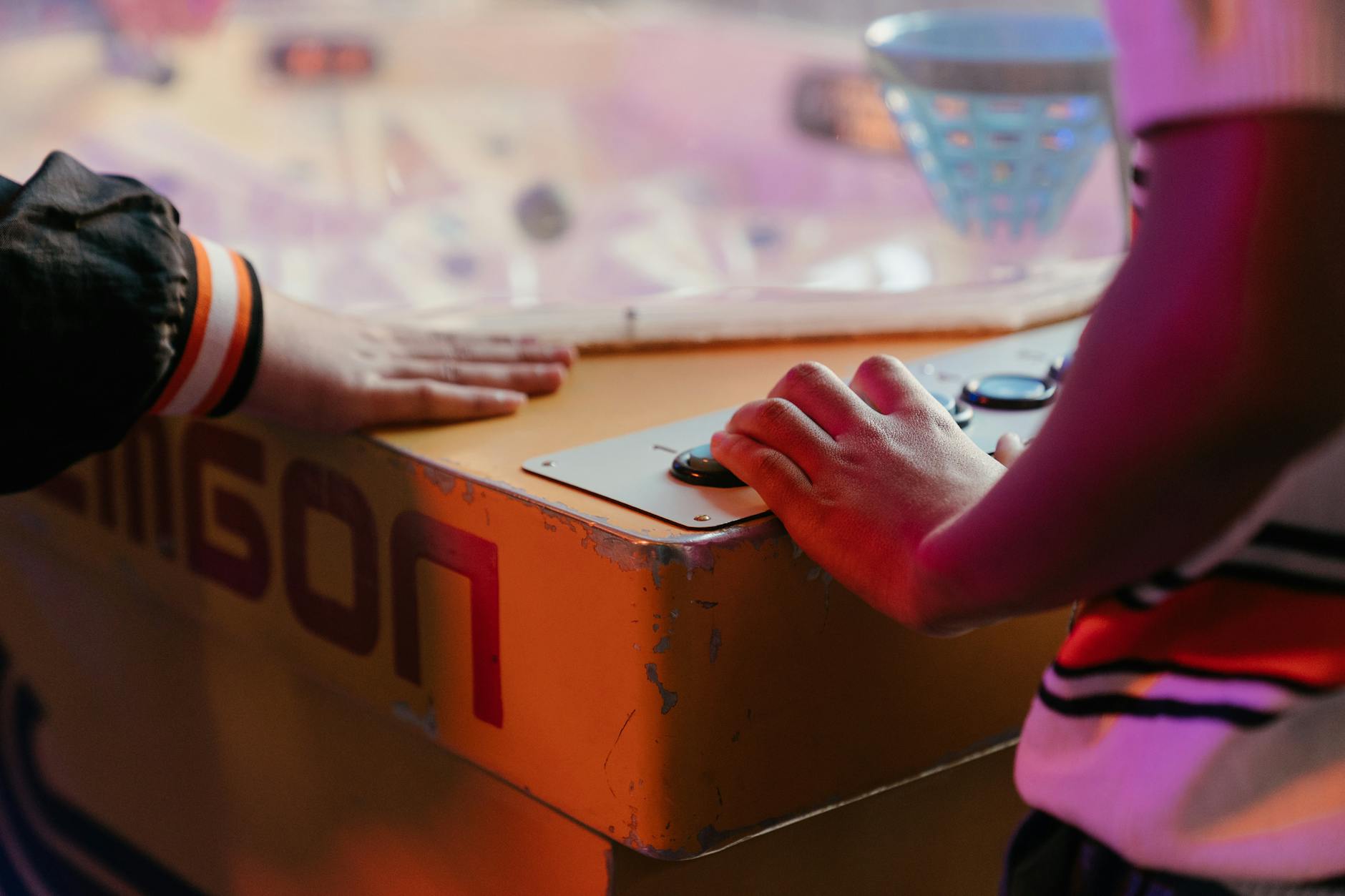
Photo by cottonbro studio
Space and Setup Considerations
Bringing an upright arcade cabinet into your home game room means thinking about space and setup carefully. These machines typically have a footprint around 2 to 3 feet wide and 3 to 4 feet deep. They stand between 5 to 6 feet tall, so you need enough vertical clearance too. Because of their size, they work best in dedicated corners or open areas where you and guests can move around easily.
Power is straightforward but essential to check. Most classic uprights run on standard 110-120V household outlets but confirm the cabinet’s voltage needs before plugging it in. Some might have older wiring requiring adapters or a professional checkup for safe use.
When integrating an upright cabinet into your game room:
- Place the machine near an accessible outlet to avoid long extension cords.
- Ensure good ventilation around the cabinet to prevent overheating, especially if it’s a restored vintage model.
- Consider the viewing angle and lighting; direct sunlight can create screen glare, so positioning away from windows usually helps.
- Add some non-slip flooring or a rug underneath for safety and comfort during extended play sessions.
With the right space and setup, an upright arcade machine becomes a centerpiece that sparks conversation and draws players in for hours. It’s a perfect blend of authentic style and pure arcade fun, right in your home.
Cocktail and Tabletop Arcade Machines
Cocktail and tabletop arcade machines offer a charming and space-friendly way to enjoy classic arcade gaming right at your home. These machines often sit at waist height and feature a flat glass top, allowing players to sit around them comfortably. Their unique format combines gaming with social interaction, making them popular choices for home game rooms where space and versatility matter. Unlike upright cabinets, cocktail setups invite you to sit down, face each other, and share the action in a more relaxed, face-to-face environment.
Games Best Suited for Tabletop Cabinets
Tabletop cabinets shine with games designed for short rounds and competitive play between two or more people. You’ll often find classic arcade titles that focus on quick, skill-based gameplay. Some popular games suited for this format include:
- Pac-Man and Ms. Pac-Man: Their maze-chase gameplay fits perfectly with the sitting style.
- Space Invaders: The repetitive shooting action works well on a compact surface.
- Galaga and Dig Dug: Both fast-paced with simple controls ideal for a shared screen setup.
- Two-player versions of Pong or versus fighting games: These foster direct competition.
The flat glass top encourages casual gaming sessions and shared experiences. Plus, the screen orientation (usually horizontal and flat) suits games where you don’t need to lean forward or stand. The controls are typically on opposite ends, supporting head-to-head play and adding a social atmosphere.
Since the gameplay tends to be straightforward and involves rapid turns, tabletop machines keep things lively without overwhelming players with complex control layouts or larger screens. They work best for games known for quick reflexes, score chasing, and social interaction.
Advantages in Compact Spaces
Cocktail and tabletop arcade machines fit like a glove in rooms where every inch counts. Their slim, low-profile design takes up far less floor space than upright cabinets, making them excellent for:
- Home game rooms with limited square footage
- Multipurpose spaces that require furniture flexibility
- Areas where children or guests can join in easily without standing for long periods
Because players sit around the cabinet, the machine doubles as a piece of functional furniture. It’s not just a game; it’s a social hub—perfect for lounges, basements, or even living rooms. You can pull up chairs, tuck them away when not in use, and keep your space open.
Another smart aspect is the low screen position, which reduces glare and eye strain when seated. Plus, cocktail cabinets often have simpler wiring and controls, which means less maintenance and easier setup at home.
If you want a gaming option that blends smoothly into your living space without demanding a dedicated corner or a big footprint, these machines deliver on both style and substance.

Photo by Dan Butler
Multicade and Multi-Game Machines
When you want variety without crowding your game room, multicade or multi-game arcade machines are a smart choice. These all-in-one cabinets pack dozens—or even hundreds—of games into a single unit. They offer a broad mix of classic hits, newer titles, and different game styles, all available at the press of a button. This makes it easy to switch between favorite games or discover new ones without juggling multiple machines.
Technology and Game Selection
Multicades are powered by modern hardware that runs multiple games through software emulators or custom game libraries. Inside, a small PC or dedicated board handles everything, from running games to controlling input and video output. Unlike old-fashioned arcade boards locked to one title, these machines create a smooth experience for picking and playing many games on the same screen.
Games are usually grouped in easy-to-navigate menus, allowing quick browsing by name, genre, or year. Most menus respond well to joysticks and buttons, and some even support touchscreen control for faster selection. This setup means you can pick a racing game, then jump into a fighting game, and later switch to a puzzle classic—all without leaving the cabinet.
One thing to keep in mind is the legality involving game software. Some multicades come preloaded with licensed games, but if you build your own or buy one with unofficial ROMs, it might raise copyright issues. Always check if the machine’s game library is properly licensed to avoid any unexpected legal troubles.
Customization and Upgrade Options
Multicade cabinets offer plenty of room for personalization and upgrades. You can start with a standard setup and customize everything from the hardware to the look.
- Hardware Choices: You can pick different screen sizes, types of joysticks (like arcade-quality Sanwa or Happ), button layouts, and even options for trackballs or spinners. This lets you tailor the machine to your gaming style and favorite genres.
- Artwork and Cabinet Style: Many multicade owners like to switch out artwork on the sides, control panels, and marquee to match a theme or give the machine a fresh look. Custom vinyl prints or professional wraps make the cabinet feel unique, whether you prefer a retro vibe or a modern style.
- Expandability: These machines often have room to add more features down the line. You might install extra USB ports, add lighting effects, or upgrade speakers to boost sound quality. Some even support network connectivity for online play or updates.
This flexibility is ideal if you want a machine to grow with your preferences. Starting with a solid multicade lets you customize it as your collection expands or your tastes change, creating a home arcade machine that fits your game room perfectly.
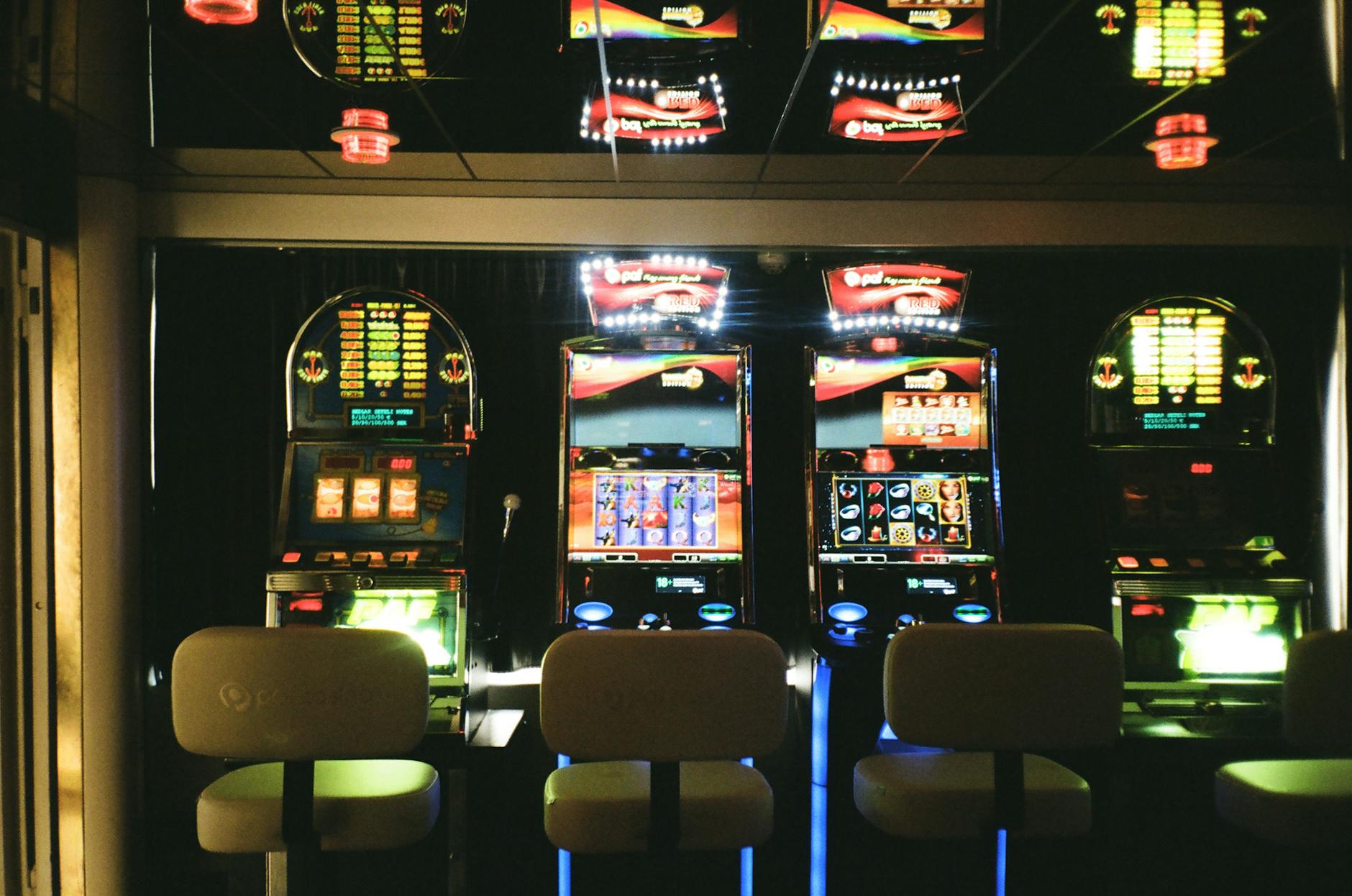
Photo by Darya Sannikova
Specialty and Unique Arcade Machines
If a home game room is your playground, specialty arcade machines add a whole new level of excitement and interaction. These aren’t your usual stand-up cabinets or multicades; they bring unique equipment, immersive controls, and physical engagement that other machines can’t match. From gripping racing rigs to feet-tapping dance mats and quick-draw shooting setups, these machines create experiences that go beyond the typical button press. Let’s take a closer look at three standout categories that add variety and energy to your collection.
Racing and Driving Simulators
Nothing beats sliding behind a racing cabinet’s wheel when it comes to feeling like you’re on the track. These simulators go beyond basic arcade controls by offering real hardware such as steering wheels, gas and brake pedals, and sometimes even gear shifters, mounted on a sturdy cockpit-style frame. The physical feedback of turning the wheel or pressing pedals adds a whole layer of realism.
Games on these machines range from classic arcade racers like Daytona USA to more detailed driving sims with multiple tracks and car models. The cabinet’s screen often sits right in front of you, sometimes curved or triple-screen setups appear in high-end models for full peripheral vision.
Key features you’ll appreciate:
- Responsive steering wheel and pedal controls that handle precise movements and provide force feedback.
- Adjustable seats and pedal positions to fit players of different sizes comfortably.
- Game options from simple, fast arcade racing to more realistic driving challenges with laps, time trials, or multiplayer modes.
These machines usually require a good amount of floor space, not just for the cabinet, but for the extra legroom the pedals need. Plus, the solid build and extra moving parts mean they’re designed to take heavy use. If you want to feel the road and thrill of speed, a racing simulator cabinet is a ride worth investing in.
Music, Dance, and Rhythm Game Cabinets
Bringing music into a game room like this pumps up the energy. Music and rhythm cabinets turn gameplay into a physical, almost dance-like activity. They’re built specifically for players to move — stomping on heavy-duty dance pads, strumming plastic guitars, or hitting timing buttons to match beats and rhythms.
These machines often need more floor space than traditional arcade cabinets because you’re not just pressing buttons—you’re moving your whole body. Popular options include Dance Dance Revolution and Pump It Up for dancing, and Guitar Hero Arcade for strumming along to rock and pop tunes.
What makes these so engaging:
- Interactive gameplay that’s part game, part exercise.
- Rhythmic cues synced with crowd-pleasing songs.
- Bright, colorful lights and animations to keep you motivated.
- Multiplayer modes that encourage friendly competition.
Setting one up means you must measure your space carefully—give players enough breathing room plus room for spectators who love to cheer. If your game room can handle the space and noise, adding a rhythm machine can turn it into the center of any party. The physical, social, and musical combination gives you a break from sitting and brings in joyful activity.
Light Gun and Shooting Games
Shooting arcade games bring a unique thrill by simulating target practice with mounted light guns or plastic pistols right on the cabinet. These machines turn your game room into a mini shooting range where you snap, aim, and fire to knock down zombie hordes, hit moving targets, or blast aliens.
The setup is straightforward — a screen displaying fast-paced action married with light guns that track your shots in real-time. Some cabinets are compact, while others include dual gun setups or sit-back designs for immersive play.
When bringing a light gun cabinet home, keep these in mind:
- Clear line of sight: The guns need a direct, unobstructed view of the screen to register hits accurately.
- Maintenance: Light guns and sensors require occasional calibration and care to stay tuned.
- Screen compatibility: Some older models need CRT monitors, while modern versions work with LCDs or LED screens.
- Space: Generally, these don’t need a lot of space but make sure there’s room to lean or step back slightly.
Shooting games are perfect for quick, intense rounds that keep players on their toes. They add variety to your game room and appeal to those who want fast action with simple controls but high excitement.

Photo by George Becker
Choosing the Right Arcade Game Machine for Your Home
Picking the perfect arcade machine for your home game room can feel overwhelming with so many styles and options available. It’s not just about grabbing the flashiest or most popular model. You want a machine that fits your space, suits how you plan to play, and stays within your budget—all while offering hours of enjoyment.
To make that process easier, consider a few key factors before making your purchase. These will guide you to a choice that feels right long after the excitement of the new machine settles.
Budget and Value
Your budget sets the stage for what’s possible. Arcade machines range from a few hundred dollars for simpler or used units to several thousand for fully loaded models with fancy controls or license-rich multicades. When deciding where to spend:
- Set a clear price limit from the start. This helps narrow down your choices and keeps the buying process straightforward.
- Balance features and cost by listing what matters most. It might be game variety, authentic controls, or vintage design.
- Consider long-term value—some machines might need repairs or parts replaced. A slightly higher upfront cost might save you money on maintenance later.
- Used units often require restoration but can be a great entry point if you enjoy tinkering.
Looking for deals? Check auction sites, arcade forums, or local sellers. Sometimes you find a gem that’s priced right for your budget and can be customized over time.
Room Size and Layout
Space is the silent negotiator in your arcade setup. The size and shape of your game room will influence what type of machine fits comfortably without making the area crowded or awkward.
- Measure your floor space carefully. Don’t forget to include extra room around the machine for players to move freely.
- Ceiling height matters, especially for upright cabinets that can tower over six feet.
- Consider traffic flow. Avoid placing a bulky machine where it blocks entrances or makes the room feel cramped.
- If space is tight, cocktail or tabletop cabinets offer a compact solution, doubling as a social spot and gaming area.
- For large rooms, multicades or specialty machines like racing simulators can shine without feeling overwhelming.
The right fit creates balance—your machine becomes an inviting centerpiece rather than an obstacle.
Intended Use and Player Experience
Think about how and who will be using the machine most often. Your home game room could cater to solo sessions, family-friendly play, or competitive gaming nights with friends.
- Solo gamers might prefer upright cabinets or multicades with deep game libraries.
- Groups or families often enjoy tabletop or cocktail machines that promote social play around a shared screen.
- For active players, specialty machines like dance pads or racing simulators offer a hands-on experience that keeps everyone moving.
- If you want something easy to pick up and play, look for games with simple controls and quick rounds.
- Consider how often you plan to play: daily use might call for sturdier builds and easier maintenance.
Matching the machine to your play style makes gaming sessions feel effortless and fun instead of a chore.
Maintenance and Durability
Arcade machines are mechanical and electronic devices that need some care to keep running well. Before buying, think about how much time and effort you’re ready to invest in upkeep.
- Classic machines may require repairs, cleaning, or part replacements like joysticks and buttons.
- Modern multicades often need less maintenance but watch for software updates or hardware glitches.
- Ensure that replacement parts are available or easy to source for your chosen model.
- Check the machine’s warranty and customer support options when buying new.
- Some game styles, like dance or racing machines, might wear faster due to moving parts and heavy use.
Choosing a reliable model or one you feel comfortable maintaining keeps frustration low and playtime high.

Photo by Lucas Andrade
By carefully weighing your budget, available space, play preferences, and maintenance needs, you’ll pick an arcade machine that fits your home and delivers joy for years to come. The right choice turns a simple room into a lively playground of fun memories.
Conclusion
Choosing the right arcade machine depends on your space, budget, and how you want to play. Upright cabinets bring that classic arcade feel, while cocktail machines save space and boost social fun. Multicades offer variety, and specialty machines add unique, interactive experiences.
Think about what fits your room and matches your gaming style. The best machine is the one that keeps you and your guests entertained for hours.
Setting up your own game room with the right arcade machines creates a spot where memories happen. Take what you’ve learned here and build a game room that’s truly your own.